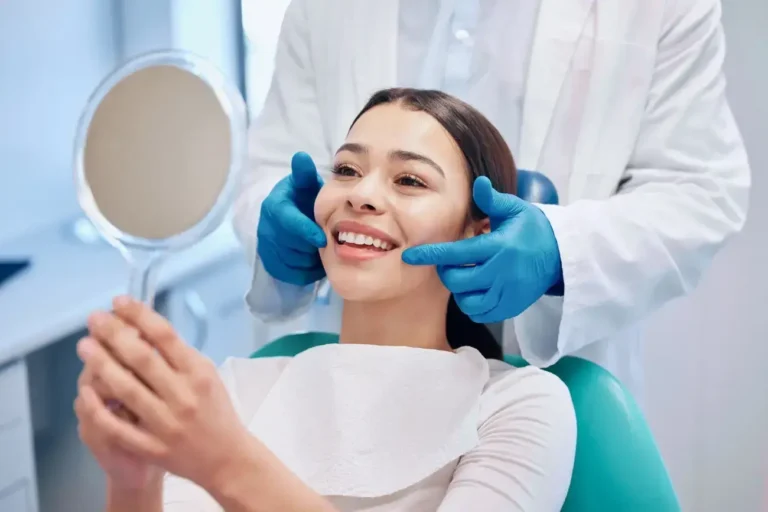
What Is Cosmetic Dental Bonding?
Imagine fixing a chipped tooth, closing a small gap, or brightening your smile — all in a single dental visit. That’s exactly what cosmetic dental bonding offers.
Cosmetic dental bonding is a procedure where a tooth-colored composite resin is applied to your teeth to improve their appearance. The material is sculpted, hardened, and polished to blend seamlessly with your natural teeth.
Think of it like an artist restoring a painting. The dentist carefully adds material where needed, shaping it until your smile looks flawless.
According to the American Dental Association, bonding is among the most conservative cosmetic treatments because it preserves most of the natural tooth structure.
Understanding the Dental Bonding Procedure
Dental bonding is straightforward. Unlike veneers or crowns, it usually doesn’t require lab work or multiple appointments. In most cases, the entire process takes 30–60 minutes per tooth.
Materials Used in Cosmetic Bonding
The magic ingredient is composite resin — a durable plastic material mixed with fine glass particles. This allows dentists to match the shade, texture, and translucency of natural enamel.
Why People Choose Cosmetic Dental Bonding
People often want a better smile without the commitment of major dental work. Bonding fits perfectly into that category.
Fixing Chipped Teeth
Accidents happen. Whether it’s biting something hard or a sports mishap, bonding can rebuild the missing portion quickly.
Closing Small Gaps
Not everyone wants orthodontic treatment for minor spacing issues. Bonding can close small gaps in a single visit.
Improving Tooth Color
Some stains resist whitening treatments. Bonding can mask stubborn discoloration.
Reshaping Uneven Teeth
If one tooth looks shorter or oddly shaped, bonding can create symmetry and balance.
Benefits of Cosmetic Dental Bonding
Quick and Painless Treatment
Most bonding procedures require little to no anesthesia. That means less stress and more comfort.
Cost-Effective Smile Enhancement
Compared to veneers or crowns, bonding is budget-friendly while still delivering noticeable results.
Minimally Invasive Solution
Bonding removes minimal enamel, making it reversible in many cases — a major advantage for patients who want flexibility.
Cosmetic Dental Bonding vs Other Treatments
Bonding vs Veneers
Veneers are thin porcelain shells placed over teeth. They’re durable and stain-resistant but require enamel removal and higher costs. Bonding is simpler and reversible.
Bonding vs Crowns
Crowns cover the entire tooth and are used for structural damage.cosmetic dental bonding is mainly cosmetic and ideal for minor repairs.
Bonding vs Teeth Whitening
Whitening changes tooth color, but bonding physically alters shape and covers imperfections.
Step-by-Step Cosmetic Dental Bonding Procedure
Let’s walk through what actually happens in the chair.
Consultation and Smile Assessment
Your dentist evaluates your teeth, discusses goals, and selects the right resin shade.
Tooth Preparation
A conditioning liquid is applied to roughen the surface slightly, helping the resin adhere.
Resin Application and Sculpting
The dentist layers and shapes the composite resin, almost like sculpting clay.
Curing and Polishing
A special light hardens the material, and polishing gives it a natural shine.
How Long Does Cosmetic Dental Bonding Last?
On average, bonding lasts 3–10 years.
Factors Affecting Longevity
- Oral hygiene habits
- Bite forces
- Smoking and staining foods
- Tooth grinding
Signs You Need Replacement
- Rough edges
- Discoloration
- Chips or cracks
- Loss of shine
Cost of Cosmetic Dental Bonding
Average Global Costs
Bonding typically ranges between $100 and $600 per tooth globally. Prices vary widely by region.
Cost Factors Explained
- Dentist experience
- Number of teeth treated
- Material quality
- Clinic location
Caring for Bonded Teeth
Bonding doesn’t demand complicated care — but consistency matters.
Daily Oral Hygiene Tips
- Brush twice daily
- Floss regularly
- Use non-abrasive toothpaste
Foods and Habits to Avoid
Composite resin can stain. Limit:
- Coffee
- Tea
- Red wine
- Smoking
Also avoid biting hard objects like ice or pens.
Professional Dental Visits
Routine cleanings help maintain polish and detect early wear.
Potential Risks and Limitations
Staining and Discoloration
Unlike porcelain, bonding can stain over time.
Chipping or Wear
Though durable, composite resin isn’t as strong as enamel.
Not Suitable for Major Damage
Large fractures or decay often require crowns instead.
Who Is a Good Candidate for Cosmetic Dental Bonding?
You’re likely a good candidate if you:
- Have healthy teeth and gums
- Need minor cosmetic improvements
- Want affordable smile enhancement
- Prefer minimally invasive treatment
Cosmetic Dental Bonding for Teens vs Adults
Teens often benefit from bonding because their teeth are still developing, making reversible treatments ideal. Adults, meanwhile, appreciate bonding for quick professional smile upgrades.
Latest Trends in Cosmetic Dental Bonding
Dentistry keeps evolving. Modern bonding now includes:
- Nano-filled composites for better polish
- Digital smile design planning
- Layering techniques mimicking natural enamel
- Improved shade matching technology
These advancements make bonding look more natural than ever.
Tips for Choosing the Right Dentist
Your results depend heavily on skill. Consider:
- Before-and-after photos
- Cosmetic dentistry training
- Patient reviews
- Communication and comfort
A good cosmetic dentist blends technical precision with artistic vision.
Final Thoughts on Cosmetic Dental Bonding
cosmetic dental bonding is like a quick makeover for your smile — simple, affordable, and surprisingly transformative. Whether you’re dealing with chips, gaps, discoloration, or uneven edges, bonding provides a low-commitment way to boost confidence.
It may not be the longest-lasting cosmetic option, but its accessibility and immediate results make it one of the most popular treatments worldwide.
If you’ve been hiding your smile because of minor imperfections, bonding might be the small step that leads to a big confidence boost.
FAQs About Cosmetic Dental Bonding
1. Does cosmetic dental bonding hurt?
No, bonding is usually painless and rarely requires anesthesia.
2. Can bonded teeth be whitened later?
No. Bonding doesn’t respond to whitening agents, so shade selection is important beforehand.
3. Is dental bonding safe?
Yes, it’s considered a safe and conservative cosmetic procedure.
4. How many teeth can be bonded at once?
Multiple teeth can be bonded in one appointment depending on time and complexity.
5. Can bonding fix gaps permanently?
Bonding can close small gaps effectively, but long-term stability depends on oral habits and maintenance.