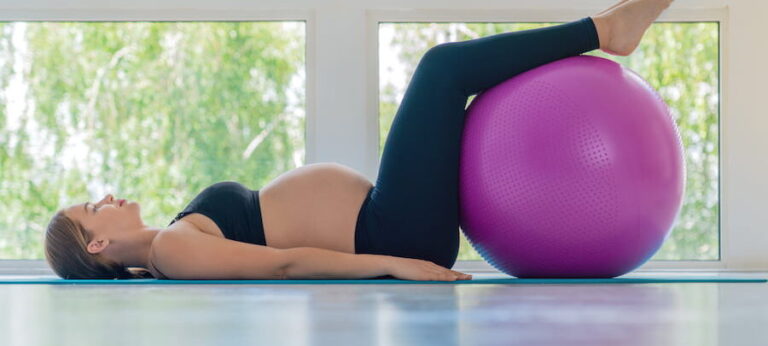
Pregnancy changes everything—your body, your posture, your center of gravity, even how you sit. Suddenly, that comfy couch doesn’t feel so comfy anymore. Your back aches. Your hips feel tight. You shift positions every five minutes.fitness ball for pregnancy
And then someone mentions a fitness ball.
You might be thinking: Isn’t that just a big inflatable gym ball? Yes… and no. When used during fitness ball for pregnancy becomes one of the most powerful, simple tools for comfort, strength, and even labor preparation.
Let’s break it all down.
What Is a Fitness Ball?
A fitness ball—also called a stability ball or exercise ball—is a large, inflatable ball designed for balance and strength training. During pregnancy, it transforms into something incredibly practical.
It becomes your mobile chair. Your stretching partner. Your back-pain reliever.
Difference Between a Fitness Ball and a Birth Ball
Technically, they’re very similar. A birth ball is simply a fitness ball marketed specifically for pregnancy and labor. The key differences usually come down to:
- Anti-burst material
- Higher weight capacity
- Extra durability
But in reality? A high-quality fitness ball works just as well.
Why It’s Popular During Pregnancy
Because pregnancy throws your balance off. Your belly grows. Your lower back curves more. Sitting on a regular chair can compress your spine.
A fitness ball encourages active sitting. Your body gently engages to stay balanced, improving posture without you even trying.
It’s like sitting on a subtle workout.
Benefits of Using a Fitness Ball During Pregnancy
Let’s talk about why so many moms swear by it.
Improves Posture and Balance
As your belly grows, your center of gravity shifts forward. That’s why you feel like you’re waddling.
Sitting on a fitness ball forces you to sit upright. Your core and back muscles naturally activate to keep you steady. Over time, this reduces slouching and helps your spine stay aligned.
Better posture = less pain.
Relieves Lower Back and Pelvic Pain
Back pain during pregnancy? Almost universal.
When you sit on a ball and gently rock or bounce, it reduces pressure on the spine and improves circulation in the pelvic area. The movement keeps your joints from stiffening.
Think of it like oiling a squeaky hinge.
Strengthens Core and Pelvic Floor
You don’t need intense workouts during pregnancy. But gentle strengthening? Absolutely.
Simple exercises like pelvic tilts or seated balance work activate:
- Deep abdominal muscles
- Pelvic floor muscles
- Hip stabilizers
These muscles matter—a lot—during labor and recovery.
Enhances Circulation
Sitting still for long periods can lead to swelling in your legs and feet.
The small, continuous movements on a fitness ball keep blood flowing. That means less stiffness and potentially less swelling.
Helps Prepare for Labor
Here’s where it gets interesting.
The upright position on a fitness ball encourages optimal fetal positioning. It also helps open the pelvis and relax the lower body.
In short? It prepares your body for birth naturally.
How to Choose the Right Fitness Ball
Not all balls are created equal.
Correct Size Guide
The most important factor is height.
- Under 5’4” → 55 cm ball
- 5’4” to 5’10” → 65 cm ball
- Over 5’10” → 75 cm ball
When sitting, your knees should be slightly lower than your hips. If your knees are too high, the ball is too small.
Anti-Burst and Weight Capacity Features
Always choose an anti-burst ball. This means if it gets punctured, it deflates slowly instead of popping.
Look for a ball that supports at least 300–600 pounds for safety.
Surface Texture and Stability
A slightly textured surface prevents slipping. Smooth and slippery? Not ideal during pregnancy.
Stability matters.
When to Start Using a Fitness Ball in Pregnancy
Good news—you can start early.
First Trimester Guidelines
In early pregnancy, fatigue is common. Gentle sitting and light stretching on the ball can relieve tension.
No intense bouncing. Just gentle movement.
Second and Third Trimester Tips
This is when the ball really shines.
As your belly grows, sitting on the ball instead of a chair can:
- Reduce hip pressure
- Ease tailbone discomfort
- Improve baby’s positioning
Many women use it daily during the third trimester.
Safe Exercises With a Fitness Ball During Pregnancy
Let’s get practical.
Gentle Bouncing
Sit upright and softly bounce. Keep movements small and controlled.
This relieves pressure and promotes pelvic relaxation.
Hip Circles
Sit tall and rotate your hips in slow circles.
Clockwise. Counterclockwise.
This movement opens the pelvis and reduces stiffness.
Pelvic Tilts
Sit and gently tilt your pelvis forward and backward.
Imagine tucking your tailbone under, then releasing.
This strengthens the lower abdominal area and relieves back tension.
Supported Squats
Place the ball between your lower back and a wall. Slowly squat down.
This builds leg strength and opens the pelvic outlet.
Stretching Exercises
Lean forward over the ball while kneeling on the floor. Rest your upper body on it.
This position stretches the lower back and feels incredibly relieving—especially in late pregnancy.
Fitness Ball Exercises for Labor Preparation
Here’s where it becomes a game-changer.
Opening the Pelvis
Upright sitting and wide-knee positioning on the ball create more space in the pelvis.
More space can encourage baby to settle into an optimal position.
Encouraging Baby’s Optimal Position
Leaning forward over the ball helps position baby head-down and facing your back (ideal for delivery).
Gravity works in your favor.
Managing Early Labor Discomfort
Many women use the ball during early labor to sway and breathe through contractions.
It gives you something to focus on. Something to move with.
And movement reduces pain perception.
Postpartum Benefits of a Fitness Ball
Don’t pack it away after birth.
Gentle Recovery Exercises
After clearance from your provider, you can use the ball for:
- Pelvic floor reactivation
- Gentle core strengthening
- Posture correction
It supports gradual recovery.
Soothing a Newborn
Here’s a bonus tip: sitting and gently bouncing while holding your baby can calm them instantly.
It mimics the rhythmic motion they felt in the womb.
Magic? Almost.
Safety Tips When Using a Fitness Ball
Let’s keep things safe.
Proper Setup and Environment
- Use it on a non-slip surface
- Keep it away from sharp objects
- Inflate it properly
And always sit down slowly.
Avoiding Overexertion
Pregnancy isn’t the time to push limits.
If you feel dizzy, short of breath, or unstable—stop immediately.
When to Stop Using It
Avoid using a fitness ball if you have:
- Severe balance issues
- High-risk pregnancy without provider approval
- Severe pelvic instability
When in doubt, ask your healthcare provider.
Common Mistakes to Avoid
- Using the wrong size
- Overinflating the ball
- Sitting too long without breaks
- Bouncing aggressively
Gentle is the rule.
Conclusion
A fitness ball during pregnancy isn’t just a trendy accessory—it’s a practical, affordable, and powerful support tool.
It improves posture. Reduces pain. Strengthens essential muscles. Prepares your body for labor. And even helps after birth.
Think of it as your pregnancy sidekick.
Simple. Effective. Surprisingly transformative.
Sometimes the best tools aren’t complicated at all.
FAQs About Fitness Balls During Pregnancy
1. Is it safe to bounce on a fitness ball while pregnant?
Yes, gentle bouncing is safe for most pregnancies. Avoid aggressive or high bouncing and always maintain balance.
2. Can a fitness ball help induce labor?
It doesn’t directly induce labor, but it may encourage optimal baby positioning and pelvic opening, which can support natural labor progression.
3. How long should I sit on a fitness ball each day?
Start with 15–20 minutes at a time. You can gradually increase as long as you feel comfortable.
4. Can I use a regular exercise ball instead of a birth ball?
Yes, as long as it’s anti-burst and the correct size for your height.
5. Does a fitness ball reduce pregnancy back pain?
For many women, yes. Gentle movement and improved posture can significantly ease lower back discomfort.