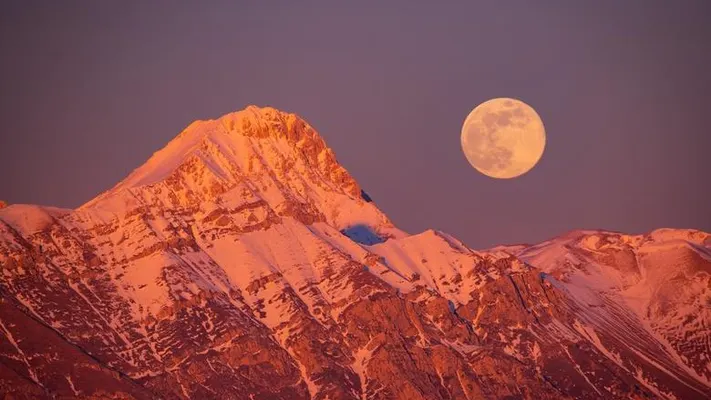
I. Introduction
The Wolf Moon Supermoon occurs on January 3, 2026. It reaches peak fullness at 5:03 a.m. EST, or 10:03 GMT. This full moon aligns with the moon’s perigee at 362,312 km from Earth. It appears 14% larger and up to 30% brighter than an average full moon.
This event marks the first supermoon of 2026. It’s the last one until November 2026. As the fourth in a series of consecutive supermoons, it benefits from Earth’s perihelion on January 4, boosting brightness by about 6.5%.
Viewers often face challenges like cloudy skies or incorrect timing. This guide provides exact moonrise times and weather tips. It debunks size illusions to ensure you get the best experience.
Now, let’s break down the science behind this unique alignment.
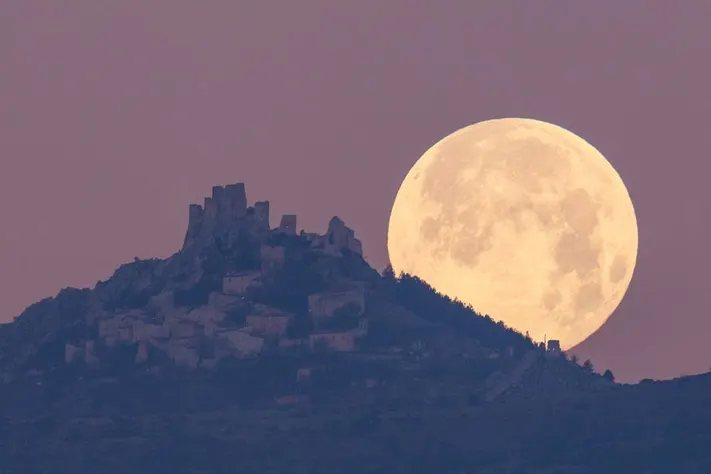
II. Scientific Breakdown: What Makes This Supermoon Unique
The moon’s orbit is elliptical. Perigee brings it closest to Earth. On January 3, this full moon coincides with perigee, creating the supermoon effect.
Three factors amplify its brightness. First, the moon is 30,000 km closer than at apogee, increasing light by 30%. Second, Earth’s perihelion adds 6.5% more sunlight reflection. Third, Northern Hemisphere winter air is clearer, with less humidity for better visibility.
Compared to 2025’s December supermoon, this one is slightly smaller. Yet, its high arc in the winter sky makes it stand out. It won’t repeat this height until December 2026.
To verify your local view, use apps like SkySafari. Input your location for perigee distance calculations. This ensures accurate expectations.
Understanding the timing is key to catching it at its best.
III. Exact Timing and Visibility Details
Peak fullness hits at 5:03 a.m. EST on January 3. For evening views, aim for moonrise. In New York, that’s 4:56 p.m. EST. In Los Angeles, it’s 5:25 p.m. PST.
In the UK, moonrise starts earlier. Aberdeen sees it at 3:06 p.m. GMT. Use TimeandDate.com for hyper-local times. This prevents missing the horizon illusion.
Weather can spoil plans. Check BBC Weather or AccuWeather for clear skies. If clouds block, tune into live streams from Lowell Observatory.
Northern Hemisphere gets the best high-arc view. Southern areas see it lower but brighter. Head to elevated spots if horizons are obstructed.
With timing sorted, let’s explore its name and history.
IV. Cultural and Historical Context Without Fluff
The Wolf Moon name comes from Native American traditions. Wolves howl more in January due to winter scarcity. Other names include Cold Moon or Frost Exploding Moon.
In 2026, this is the first of 13 full moons. A blue moon follows in May. Upcoming supermoons are November 24 and December 23.
Folklore links wolves and the moon since Neolithic times. Celtic and Anglo-Saxon cultures added layers. Cross-reference with the Old Farmer’s Almanac for tribe-specific details.
Avoid mixing with generic full moon myths. This clarity helps appreciate its cultural weight.
Ready to see it? Follow this simple guide.
V. Step-by-Step Viewing Guide
Step 1: Find an east-facing spot. Choose hilltops or beaches for clear horizons.
Step 2: Arrive 15-20 minutes after sunset. Catch the “blue hour” for contrast.
Step 3: No equipment needed. Binoculars show craters clearly. Layer up—January nights often drop below freezing.
Look for Jupiter to the moon’s right at dusk. Pollux appears left. Use Star Walk app to track them.
Urban lights dim the view? Drive to dark-sky parks. Apps simulate if needed.
Capturing photos? Here’s how to nail it.
VI. Photography Tips for Stunning Shots
Start with basics. Use a smartphone in night mode or DSLR on a tripod. Wide-angle lenses include horizons.
Settings matter. Try ISO 100-400. Shutter at 1/100-1/250 sec. Aperture f/8-11. Bracket shots for brightness balance.
Overexposure is common. Meter on the moon. PhotoPills app aligns moonrise with landmarks.
Pro move: Time-lapse the rise. Tie in Quadrantid meteors for composites.
Don’t believe every myth—let’s sort facts.
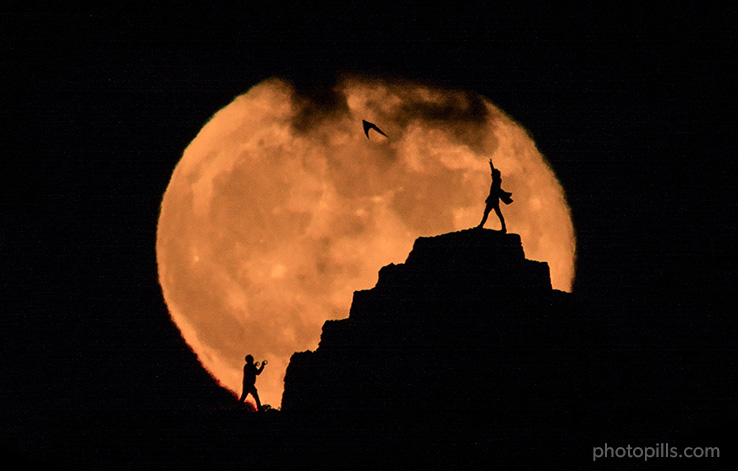
VII. Myths vs. Facts: Clear Up Misconceptions
Myth: Supermoons trigger disasters. Fact: No link to earthquakes. Perigee tides are minor.
Myth: It’s hugely bigger. Fact: Only 7-14% larger. Horizon illusion amplifies it—thumb-test proves.
Fact-check social claims with NASA. This builds real understanding.
More events align—don’t miss them.
VIII. Tied-In Events and What to Watch Next
Quadrantids peak January 3-4. Expect up to 120 meteors per hour. Full moon glare spoils some, but pre-dawn viewing helps.
Jupiter opposition on January 10 allows all-night views. February’s Snow Moon follows, but not super.
Plan 2026’s 13 full moons. Set reminders for supermoon highlights.
Wrapping up, here’s how to dive deeper.
IX. Conclusion and Quick Resources
This guide covers spotting, photographing, and understanding the January 3 Wolf Supermoon. It goes beyond basics with precise data and fixes.
Download SkySafari or PhotoPills. Join local astronomy clubs. Share shots with #WolfSupermoon2026.
Resources: NASA for facts, TimeandDate.com for times, weather apps for updates. For more on supermoon, check Wikipedia.