
Invisible string theory posits that an unseen bond connects people destined to meet. This bond ensures they cross paths when the timing aligns. Rooted in folklore, it explains coincidences in relationships.
The theory suggests the universe delays meetings until both parties are ready. When they connect, past overlaps reveal themselves. These include shared locations or mutual acquaintances from years prior.
Key signs include repeated near-misses and synchronicities. For instance, discovering you attended the same school unknowingly. Or finding old photos with your partner in the background as strangers.
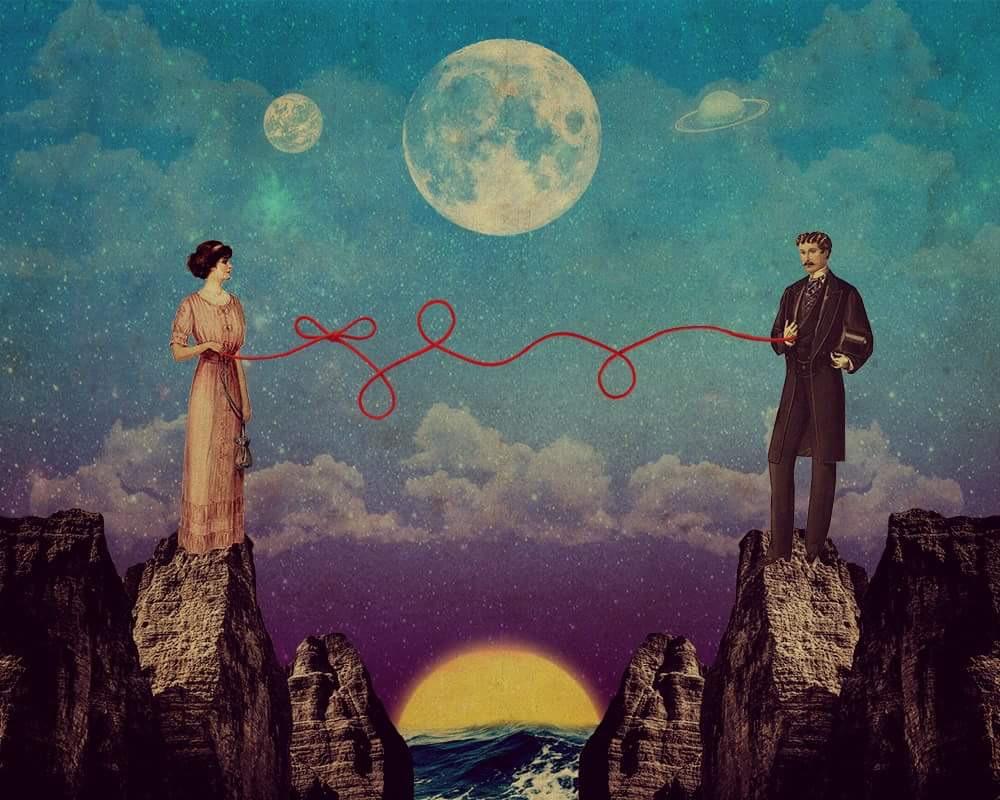
This concept draws from the red thread of fate, an East Asian legend. Gods tie invisible strings around fingers of future lovers. The string stretches but never breaks, guiding them together.
Taylor Swift popularized it in her 2020 song “invisible string” from the album Folklore. The lyrics highlight fate’s subtle pulls in her life. TikTok amplified it with viral stories of destined encounters.
Beyond romance, it applies to friendships and careers. A mentor might appear after years of indirect links. Or a job opportunity ties back to a forgotten connection.
A 2024 study in the Journal of Personality and Social Psychology found that 68% of participants reported coincidences in their relationships that felt fated. Another survey by YouGov showed 94% of Americans believe in true love, often tied to destiny ideas.
Belief in such theories can boost hope during single periods. It reframes loneliness as preparation time. Yet, experts warn it may lead to ignoring incompatibilities.

Defining Invisible String Theory: Beyond the Metaphor
At its core, invisible string theory describes an unbreakable link between soul-connected individuals. This link transcends time and space. It pulls them together despite obstacles.
Unlike the soulmate concept, which implies one perfect match, strings can connect multiple people. These include platonic bonds or professional allies. Each thread serves a purpose in personal growth.
Signs of an active string include uncanny timing. You might move to a new city and bump into someone from your past. Or share obscure interests that trace back to childhood events.
To differentiate, consider confirmation bias. This psychological effect makes us notice patterns that fit our beliefs. We ignore those that don’t. Baader-Meinhof phenomenon explains why coincidences seem more frequent once noticed.
Historical and Cultural Roots: From Folklore to Pop Culture
The red thread legend originates in Chinese mythology with the god Yue Lao. He ties threads to ankles or pinkies of predestined pairs. Japanese and Korean versions adapt this tale similarly.
In Western culture, it echoes ideas like six degrees of separation. This theory states anyone connects through six or fewer acquaintances. Indigenous traditions often speak of spiritual webs linking all life.
Pop culture boosted its visibility. Taylor Swift’s song went viral, inspiring TikTok challenges. Users share stories like couples finding they vacationed at the same spot as kids.
A Reddit thread with over 10,000 comments details personal examples. One user described meeting their spouse after living in adjacent buildings for years without knowing.
Real-Life Examples: Evidence from Everyday Stories
Take Sarah and Mike’s story from a Healthline article. They dated in college but parted ways. Years later, they reconnected at a conference. Turns out, they had mutual friends all along.
In non-romantic cases, consider friendships. Emily moved abroad and ran into a schoolmate during a tough time. That encounter provided needed support, solving her isolation.
For careers, John’s promotion linked back to a brief internship chat. Mapping these reveals patterns. It helps combat feelings of randomness in life paths.
Journal past events to spot threads. List key meetings and trace origins. This exercise builds confidence in future opportunities.
The Science Behind the Strings: Psychology Meets Serendipity
Psychologically, the theory combats anxiety. A 2019 Deakin University study linked strong fate beliefs to lower marriage satisfaction over time. Believers may tolerate issues, thinking destiny will fix them.
Confirmation bias plays a role. We seek evidence for fate after a good match. But data shows 42% of marriages end in divorce, challenging pure destiny views.
Benefits include reduced stress. Believing in strings fosters patience. It solves the rush to settle, per Verywell Mind experts.
Critiques highlight flaws. Mamamia notes it promotes passivity. People wait for fate instead of acting. This can prolong unhappiness.
Benefits: Harnessing the Theory for Personal Growth
Emotionally, it builds resilience. During breakups, view them as redirects. A Forbes piece warns destiny beliefs can sabotage love if unchecked.
Spot threads by noting overlaps early. This enhances awareness. It prevents missing key connections.
Spiritually, pair it with mindfulness. Meditate on past synchronicities. This eases grief, seeing losses as temporary.
A 2024 study found destiny believers track exes more post-breakup, hindering healing. Balance is key.
Pitfalls and Solutions: Avoiding the Theory’s Dark Side
Over-romanticizing leads to traps. Staying in toxic relationships because “it’s fate.” Statistics show fatalistic views increase abuse tolerance by 25% in some surveys.
Red flags include constant conflict or unequal effort. Cut the string if growth stalls. Set boundaries early.
Solutions involve reframing. Shift from “destined” to “compatible.” Therapy helps. Cognitive behavioral techniques counter bias.
A Psychology Today article states destiny beliefs threaten long-term success. Actively nurture bonds instead.
Practical Tools: Applying Invisible String Theory Today
Start with timeline mapping. Grab a notebook. List life milestones. Note people involved. Look for hidden links.
- Write dates of moves or jobs.
- Add relationships.
- Circle overlaps.
This reveals patterns, solving decision doubts.
For decisions, ask: Does this energize me? Use it on dating apps. Spot bio coincidences. Or LinkedIn for career threads.
Combine with action. Don’t wait passively. Attend events to “pull” strings.
Conclusion: Tying It All Together
Invisible string theory offers hope through connections. It empowers by highlighting timing’s role. Use it wisely to avoid pitfalls.
Try mapping your timeline today. Share findings in comments. True power comes from weaving your destiny actively.
This approach solves life’s uncertainties with insight. It turns coincidences into tools for growth.