Introduction to the PlayStation Ecosystem
When you think about gaming, what comes to mind? For millions of players worldwide, the answer is simple: Sony PlayStation.
But here’s the thing—PlayStation isn’t just a console. It’s a platform. A massive digital ecosystem. sony playstation platform business machine powered by hardware, software, subscriptions, and global community engagement.
Let’s break it down and see how this gaming empire really works.
What Is the PlayStation Platform Business?
At its core, sony playstation platform business is a closed ecosystem model. Sony builds the hardware, controls the digital storefront, develops exclusive games, and manages online services. Think of it like a digital city—Sony owns the roads, the stores, and even the entertainment venues.
The result? Multiple revenue streams flowing from one central hub.
Why PlayStation Dominates the Console Market
Brand loyalty. Strong exclusives. Smart pricing. Global reach. Sony has consistently positioned PlayStation as the “gamer-first” console, and that strategy has paid off big time.
The Origins of PlayStation
The Birth of Sony’s Gaming Division
sony playstation platform business In the early 1990s, Sony entered gaming with a bold move. What started as a failed partnership project turned into a revolutionary product.
The First PlayStation Console and Market Disruption
The original PlayStation launched in 1994 and disrupted the gaming industry by targeting older audiences and focusing on 3D gaming innovation.
It wasn’t just competing—it was redefining the game.
Evolution of PlayStation Hardware
Each console generation reflects Sony’s evolving strategy.
PlayStation 2 – A Record-Breaking Success
PlayStation 2 became the best-selling console in history. Why? DVD playback. Massive game library. Affordable pricing. Sony turned a gaming device into a living room centerpiece.
PlayStation 3 – Innovation and Challenges
PlayStation 3 introduced Blu-ray technology but struggled with high pricing at launch. It was ambitious—but ambition comes at a cost.
PlayStation 4 – A Comeback Strategy
PlayStation 4 focused on developers and players. Simpler architecture. Strong exclusives. Competitive pricing. It became a commercial hit.
PlayStation 5 – Entering the Next Generation
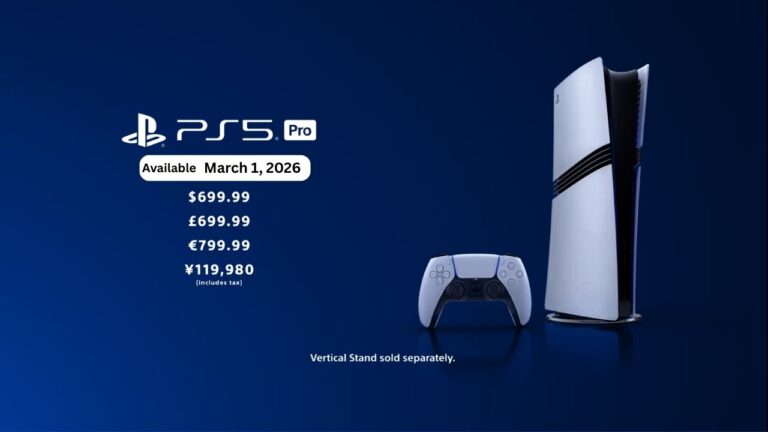
PlayStation 5 brought ultra-fast SSD storage and immersive haptic feedback. It represents Sony’s next-gen ecosystem expansion.
Sony’s Platform Business Model Explained
Here’s where it gets interesting.
Hardware as the Gateway
Sony often sells hardware at thin margins. Why? Because the real money isn’t in the console—it’s in what happens after you buy it.
Software Sales and Licensing Revenue
Every third-party developer pays Sony a licensing fee to publish on PlayStation. That’s passive revenue from thousands of games.
Digital Distribution and PlayStation Store
The PlayStation Store is a goldmine. Digital sales mean higher margins. No physical production costs. Instant global distribution.
Subscription Services and Recurring Revenue
Recurring revenue creates stability. Enter PlayStation Plus—Sony’s answer to subscription-based gaming access.
Monthly income. Predictable cash flow. Long-term user retention.
PlayStation Network (PSN) and Digital Services
Online Gaming and Community
PlayStation Network connects millions of gamers worldwide. Multiplayer access, digital purchases, cloud saves—it’s the backbone of the ecosystem.
PlayStation Plus and Tiered Membership Models
PlayStation Plus evolved into multi-tiered plans offering classic libraries, cloud streaming, and exclusive perks.
More value. More engagement. More revenue.
Cloud Gaming and Streaming Services
Sony is investing in cloud technology to compete in streaming-based gaming. The goal? Play anywhere. Anytime.
Exclusive Titles and First-Party Studios
The Importance of Exclusive Games
Exclusives sell consoles. It’s that simple.
Titles like God of War and Spider-Man drive hardware adoption. You can’t play them anywhere else at launch.
Sony’s Acquisition Strategy
Sony acquired studios to secure content pipelines and strengthen exclusives.
Major First-Party Studios Under Sony
Naughty Dog
Insomniac Games
Santa Monica Studio
These studios produce blockbuster hits that reinforce platform loyalty.
Revenue Streams of the PlayStation Business
Let’s simplify the money flow.
Hardware Sales
High volume. Lower margins.
Game Sales (Physical and Digital)
Digital is king now. Margins are stronger and distribution is seamless.
Microtransactions and DLC
Live-service elements generate ongoing income.
Subscription Revenue
Stable and growing annually.
Competitive Landscape
Competition with Microsoft Xbox
Xbox competes aggressively with Game Pass subscriptions. It’s platform versus platform.
Nintendo’s Unique Strategy
Nintendo targets family-friendly markets with hybrid console innovation.
PC Gaming and Cross-Platform Strategy
Sony is now releasing some exclusives on PC to expand revenue without weakening console demand.
The Role of Technology and Innovation
Virtual Reality (PSVR)
Sony invests in VR through PlayStation VR to explore immersive gaming.
AI and Game Development Tools
Advanced AI improves NPC behavior and production efficiency.
Cloud Infrastructure
Partnerships and internal development strengthen streaming ambitions.
Global Market Reach
North America
Major revenue contributor.
Europe
Strong brand loyalty and consistent sales.
Asia-Pacific Expansion
Japan remains important, but Sony aggressively expands in Southeast Asia.
Digital Transformation and Future Direction
Shift Toward Live Service Games
Recurring revenue models are shaping future releases.
Expanding Beyond Consoles
PC ports and cross-media adaptations increase IP value.
Mobile Gaming Strategy
Sony is entering mobile to capture new audiences.
Risks and Challenges
Supply Chain Issues
Chip shortages impacted PlayStation 5 production.
Increasing Development Costs
AAA games now cost hundreds of millions to develop.
Regulatory and Market Pressures
Digital marketplaces face scrutiny globally.
Financial Performance and Market Position
Revenue Growth Over the Years
Sony’s gaming division is its largest profit driver.
Market Share and Brand Value
PlayStation consistently ranks among top gaming brands worldwide.
Why the PlayStation Platform Business Model Works
It’s simple but powerful:
- Hardware attracts users
- Exclusives build loyalty
- Digital stores generate margins
- Subscriptions create recurring revenue
It’s like building a theme park—you sell tickets once, but guests keep spending inside.
That’s platform power.
Conclusion
The sony playstation platform business isn’t just about selling consoles. It’s about building an ecosystem where hardware, software, services, and community connect seamlessly.
From the groundbreaking PlayStation 2 to the cutting-edge PlayStation 5, Sony has refined a model that blends innovation with recurring revenue. As gaming evolves toward cloud services and live content, PlayStation remains positioned as a global powerhouse.
And here’s the real takeaway: Sony doesn’t just sell games—it sells experiences wrapped inside a self-sustaining digital universe.
FAQs
1. How does Sony make money from PlayStation?
Through hardware sales, game licensing fees, digital purchases, subscriptions, and microtransactions.
2. Why are exclusive games important to PlayStation?
Exclusives drive console sales and strengthen brand loyalty.
3. What is PlayStation Plus?
A subscription service offering online multiplayer access, free monthly games, and a game catalog.
4. How does PlayStation compete with Xbox?
By focusing on strong exclusives, global brand loyalty, and diversified revenue streams.
5. What is the future of the PlayStation platform business?
Expansion into cloud gaming, live-service titles, PC releases, and mobile gaming.