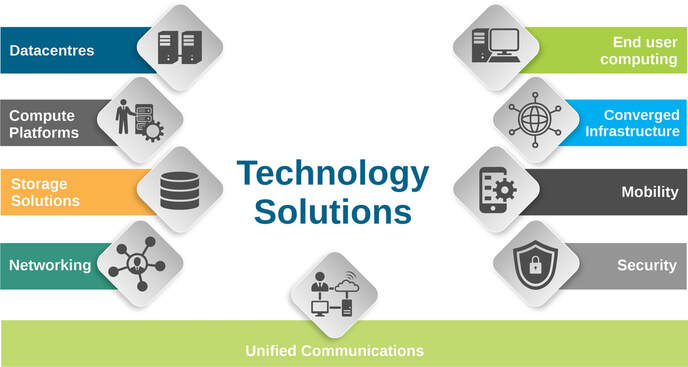
Understanding the Technology Solutions Professional Role
What Is a Technology Solutions Professional?
A Technology Solutions Professional (TSP) is a specialized IT expert responsible for designing, implementing, and managing technology solutions that solve real business problems. Instead of focusing only on coding or hardware, these professionals connect the dots between business strategy and technology implementation. Their primary goal is to help organizations use technology effectively to improve productivity, efficiency, and innovation.
In simple terms, think of a Technology Solutions Professional as a translator between business and technology. Companies often know what problem they want to solve but may not know the best technological path to get there. A TSP steps in, analyzes the business requirements, evaluates existing systems, and designs a comprehensive technology solution that aligns with organizational goals.
For example, imagine a retail company struggling with slow inventory management. A Technology Solutions Professional might propose integrating cloud-based inventory software, automation tools, and data analytics platforms. They design the architecture, select the right technologies, and ensure everything works smoothly together. This holistic approach is what separates TSPs from many other IT roles.
Another defining characteristic of this role is versatility. A TSP often works across multiple domains such as cloud computing, cybersecurity, data analytics, and enterprise software systems. Because businesses rely heavily on digital infrastructure today, the demand for professionals who can design complete technology ecosystems is growing rapidly.
Why Businesses Need Technology Solutions Professionals
In today’s digital economy, businesses depend on technology for nearly everything—from customer service platforms to advanced data analytics. However, technology investments can easily fail if not properly planned or integrated. This is exactly why organizations rely on Technology Solutions Professionals.
Companies often deal with complex technical challenges. For instance, migrating an entire organization to the cloud involves security considerations, infrastructure planning, software compatibility, and employee training. Without a knowledgeable professional guiding the process, projects can become expensive disasters.
Technology Solutions Professionals play a critical role in reducing technology risks and ensuring that investments actually deliver value. They evaluate existing systems, identify inefficiencies, and recommend technologies that improve performance. Their involvement helps organizations avoid unnecessary costs and ensures that new systems are scalable and secure.
Another reason businesses value TSPs is their ability to connect technical solutions with real business goals. Instead of focusing purely on technology, they ask questions like: How will this system improve productivity? Will it reduce operational costs? Can it support future growth? This strategic mindset helps companies make smarter decisions.
Digital transformation is also pushing organizations to adopt new technologies at an unprecedented pace. Cloud computing, artificial intelligence, automation, and data analytics are becoming essential tools. Technology Solutions Professionals guide companies through these transformations, making sure they adopt the right technologies in the right way.
Key Responsibilities of a Technology Solutions Professional
Analyzing Business and Technical Requirements
One of the most important tasks of a Technology Solutions Professional is understanding the actual needs of the organization. Before implementing any solution, they must analyze the company’s goals, workflows, and technical environment.
This process often starts with meetings and consultations with stakeholders. TSPs speak with managers, engineers, executives, and sometimes even customers. These conversations help them identify pain points within the organization. For example, a company might struggle with data fragmentation, inefficient workflows, or outdated software systems.
After gathering this information, the TSP performs a detailed technical analysis. They evaluate the current infrastructure, software tools, databases, and network systems to understand how everything interacts. The goal is to identify gaps and opportunities for improvement.
Once the analysis is complete, the Technology Solutions Professional creates a clear roadmap for addressing the issues. This roadmap outlines potential solutions, estimated costs, implementation timelines, and expected benefits. It essentially serves as the blueprint for the entire technology project.
This stage is critical because it ensures that the final solution actually addresses the root of the problem rather than just treating symptoms.
Designing and Implementing Technology Solutions
After identifying the business needs, the next step is designing a solution that solves the problem effectively. Technology Solutions Professionals create system architectures that integrate software, hardware, cloud services, and security protocols into a unified environment.
For instance, a company looking to modernize its operations might need a combination of cloud infrastructure, automation tools, and analytics platforms. The TSP evaluates different technologies and selects the best combination to meet the company’s requirements.
Designing the architecture is only part of the job. Implementation is where the real work begins. The Technology Solutions Professional collaborates with development teams, DevOps engineers, and IT administrators to ensure the solution is deployed successfully.
They oversee tasks such as:
- System integration
- Infrastructure configuration
- Security setup
- Performance optimization
- Testing and validation
Throughout the process, the TSP ensures that the solution meets performance standards and aligns with the organization’s strategic objectives.
Collaboration With Stakeholders and Teams
Technology projects rarely succeed in isolation. A Technology Solutions Professional must work closely with multiple teams across an organization. This includes software developers, IT support staff, project managers, and business executives.
Effective communication is essential because different teams often have different priorities. Developers might focus on technical performance, while executives are concerned about cost and return on investment. The TSP acts as the bridge that keeps everyone aligned.
They also present technical solutions in ways that non-technical stakeholders can understand. For example, instead of explaining complex system architectures, they might describe how a new technology will improve efficiency or reduce operational costs.
This collaborative approach ensures that the entire organization understands the value of the proposed solution.
Core Skills Required for Technology Solutions Professionals
Essential Technical Skills
To succeed as a Technology Solutions Professional, a strong technical foundation is essential. These professionals must understand a wide range of technologies because their role involves designing complete systems rather than individual components.
Some of the most important technical skills include:
- Cloud computing platforms such as AWS, Azure, and Google Cloud
- Software architecture and design patterns
- Data integration and APIs
- Cybersecurity fundamentals
- Database management and analytics tools
Cloud computing has become especially important in recent years. Many companies are migrating their infrastructure to the cloud because it offers scalability, flexibility, and cost efficiency.
Another key technical skill is system integration. Businesses often use multiple software tools that must work together seamlessly. Technology Solutions Professionals ensure that these systems communicate effectively through APIs and integration platforms.
Staying up to date with emerging technologies is also crucial. The tech industry evolves rapidly, and professionals who fail to adapt risk becoming obsolete.
Critical Soft Skills
While technical expertise is important, soft skills are equally essential for success in this role. Technology Solutions Professionals interact with clients, executives, and teams regularly, so communication skills are critical.
Problem-solving ability is perhaps the most valuable soft skill. Every project involves unique challenges, and TSPs must find creative ways to overcome obstacles.
Other essential soft skills include:
- Communication and presentation skills
- Analytical thinking
- Project management
- Adaptability
- Leadership
A Technology Solutions Professional must also be able to explain complex technical concepts in simple terms. This skill helps stakeholders understand the benefits of proposed solutions and builds trust within the organization.
Education, Certifications, and Training
Relevant Degrees and Academic Background
Most Technology Solutions Professionals start with a degree in fields such as computer science, information technology, software engineering, or data science. These programs provide the technical foundation needed to understand complex systems and infrastructure.
However, education alone is not enough. Practical experience plays a huge role in this career. Many professionals begin their journey in roles such as software developer, IT consultant, or systems administrator before transitioning into solution design.
Hands-on experience helps individuals understand real-world challenges and learn how different technologies interact within large systems.
Top Certifications That Boost Career Growth
Certifications can significantly improve a professional’s credibility and job opportunities. Many companies prefer candidates who have proven expertise in specific technologies.
Some of the most valuable certifications include:
| Certification | Focus Area | Issuing Organization |
|---|---|---|
| AWS Certified Solutions Architect | Cloud architecture | Amazon |
| Microsoft Azure Solutions Architect | Cloud infrastructure | Microsoft |
| Cisco CCNA | Networking | Cisco |
| Google Professional Cloud Architect | Cloud design |
These certifications demonstrate advanced knowledge and often lead to higher-paying roles.
Career Path and Job Opportunities
Entry-Level Roles and Career Progression
Many professionals enter this field through entry-level IT roles such as software developer, systems analyst, or technical support specialist. Over time, they gain experience in system architecture, project management, and client interaction.
A typical career path might look like this:
- IT Support or Junior Developer
- Systems Engineer
- Solutions Engineer
- Technology Solutions Professional
- Senior Solutions Architect or Technology Consultant
Each step requires expanding both technical and business knowledge.
Industries Hiring Technology Solutions Professionals
Technology Solutions Professionals are needed across many industries because nearly every organization relies on digital infrastructure today.
Some major industries include:
- Information technology
- Finance and fintech
- Healthcare technology
- E-commerce
- Telecommunications
- Manufacturing automation
These industries depend heavily on scalable technology systems, making TSPs essential contributors to business success.
Salary Expectations and Job Market Demand
Average Salary Worldwide
The salary of a Technology Solutions Professional can vary significantly depending on experience, location, and specialization.
According to recent salary data:
| Country | Average Salary |
|---|---|
| United States | $92,268 per year |
| United Kingdom | £24,420 per year |
| Philippines | ₱31,718 per month |
The average salary in the United States is around $92,268 annually, with experienced professionals earning significantly more.
Some senior professionals earn over $150,000 per year, especially those specializing in cloud architecture or enterprise systems.
Factors Affecting Salary
Several factors influence how much a Technology Solutions Professional earns:
- Years of experience
- Industry specialization
- Certifications and technical expertise
- Geographic location
- Size of the organization
Professionals who specialize in high-demand technologies like cloud computing, cybersecurity, and artificial intelligence often command higher salaries.
Challenges and Future Trends
Common Challenges in the Role
While this career is rewarding, it also comes with several challenges. Technology Solutions Professionals often deal with complex projects that involve multiple teams, tight deadlines, and significant financial investments.
One common challenge is balancing technical feasibility with business expectations. Sometimes stakeholders expect solutions that are unrealistic given the current infrastructure or budget.
Another challenge is keeping up with technological change. New frameworks, programming languages, and cloud platforms emerge regularly, requiring continuous learning.
Future of Technology Solutions Professionals
The future looks promising for Technology Solutions Professionals. As businesses continue to adopt digital transformation strategies, the demand for experts who can design integrated technology ecosystems will keep growing.
Emerging technologies such as artificial intelligence, edge computing, and advanced cybersecurity frameworks will create new opportunities in this field.
Companies increasingly need professionals who understand both technology and business strategy. Technology Solutions Professionals sit right at this intersection, making them invaluable in the modern workplace.
Conclusion
Technology Solutions Professionals are the architects of modern digital systems. They bridge the gap between business goals and technological possibilities, helping organizations solve complex problems through innovative solutions. By combining technical expertise with strategic thinking, these professionals play a crucial role in driving digital transformation.
The career offers strong growth opportunities, competitive salaries, and the chance to work with cutting-edge technologies. For individuals who enjoy solving complex problems and designing large-scale systems, becoming a Technology Solutions Professional can be both challenging and highly rewarding.
As technology continues to evolve, the importance of professionals who can design, implement, and manage integrated solutions will only increase. This makes the role not just relevant today but essential for the future of business and innovation.
FAQs
1. What does a Technology Solutions Professional do?
A Technology Solutions Professional analyzes business needs and designs technology systems that solve organizational problems, improve efficiency, and support digital transformation.
2. What degree is required for this career?
Most professionals hold degrees in computer science, information technology, software engineering, or related technical fields.
3. Is this role the same as a solutions architect?
They are closely related roles. Many Technology Solutions Professionals eventually transition into senior positions such as Solutions Architect or Enterprise Architect.
4. Which skills are most important for this job?
Key skills include cloud computing, system architecture, cybersecurity knowledge, problem-solving, and strong communication abilities.
5. Is Technology Solutions Professional a good career?
Yes. It offers high salary potential, strong job demand, and opportunities to work with emerging technologies across multiple industries.