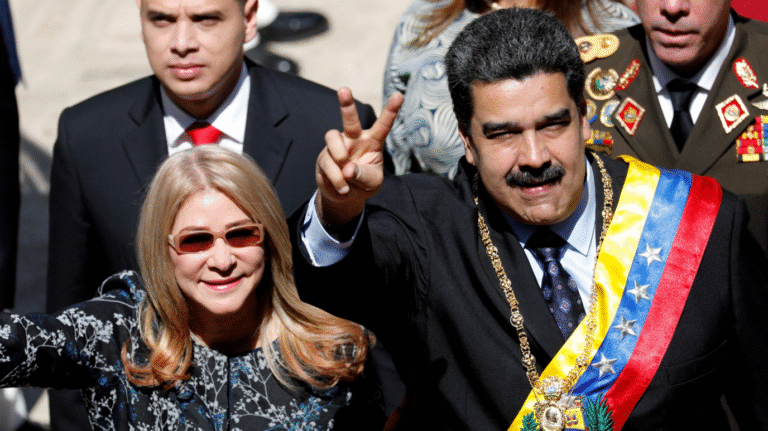
U.S. forces captured Venezuelan President Nicolás Maduro on January 3, 2026. Delta Force led the operation. Airstrikes hit key military sites in Caracas. This marks a major escalation in U.S.-Venezuela tensions. Trump announced Maduro’s extradition for narco-terrorism. Explosions rocked the capital around 2 a.m. local time. Smoke rose from areas like Fuerte Tiuna and La Carlota. Venezuelan VP Delcy Rodriguez called for proof of Maduro’s safety.
The FAA banned flights over Venezuela immediately. U.S. citizens must shelter in place. Russia, Iran, and Cuba condemned the actions. This could create a power vacuum. Opposition leaders might gain ground. Or conflict could worsen. Watch UN Security Council meetings for updates.
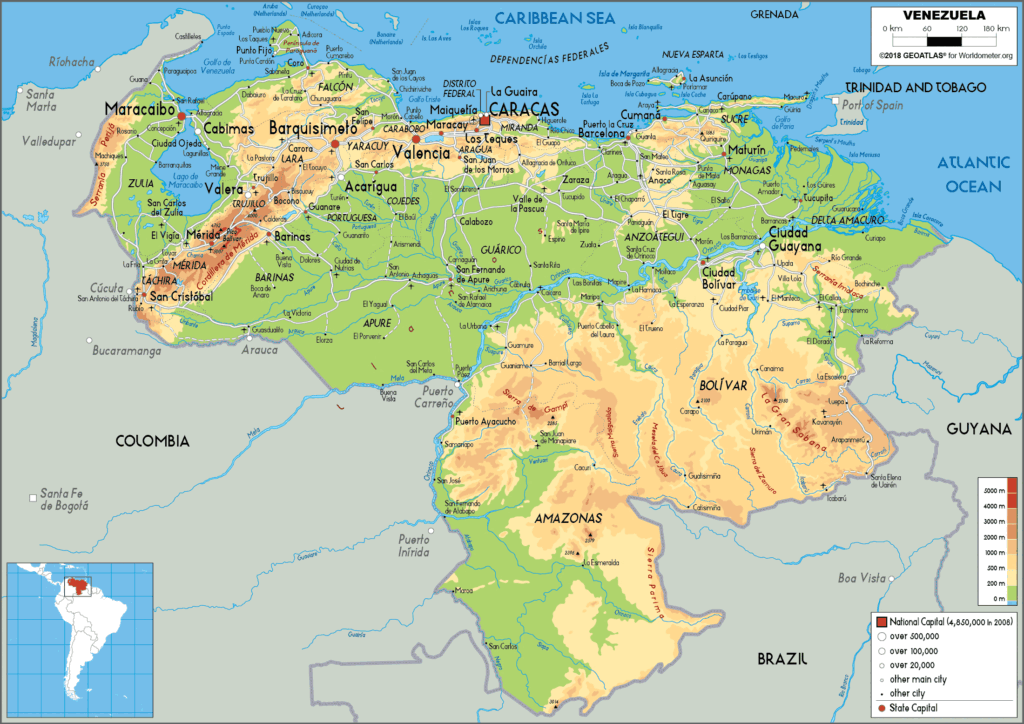
Venezuela spans 912,050 square kilometers in northern South America. It borders the Caribbean Sea. The population stands at about 28.4 million in 2024 estimates, with projections holding steady into 2026 despite migration. Urban areas house 88% of people. Caracas has 2.97 million residents. Maracaibo follows with 2.37 million.
These events build on years of instability. But let’s dive deeper into what this means on the ground.
1. Breaking News: U.S. Military Strikes and Maduro’s Capture (January 2026 Update)
The capture happened early Saturday. U.S. officials confirmed strikes on military facilities. Maduro and his wife, Cilia Flores, were flown out. Trump tied it to long-standing charges.
Venezuela’s government structure remains a federal presidential republic. But PSUV control has tightened since 2013. The 2024 elections were disputed. Edmundo González claimed victory. Maduro reported 52%.
Impacts include disrupted ports and energy. For stability, a regime shift could lift sanctions. But unrest might spike migration. If you’re tracking this, check real-time sources like BBC.
This chaos affects daily life, starting with the basics of the land and its people.
2. Quick Facts on Venezuela’s Geography and Demographics
Venezuela features diverse terrain. The Andes rise to Pico Bolívar at 4,978 meters. The Orinoco River basin dominates the east. Caribbean coasts offer beaches but face hazards.
Ethnic mix includes 52% mestizo and 44% white. Spanish is the official language. Climate is tropical. Floods and mudslides are common risks.
Natural resources abound. Venezuela holds the world’s largest oil reserves. But deforestation threatens ecosystems. In 2024, population growth was minimal at 0.31%.
Understanding this sets the stage for the political mess driving today’s headlines.
3. Political Landscape: From Chávez to Post-Maduro Uncertainty
Hugo Chávez started the shift in 1999. Maduro took over in 2013. Authoritarianism grew. The judiciary aids in repressing dissent. U.S. stopped recognizing Maduro in 2019.
Key issues: Post-2024 killings and torture. Over 270 political prisoners remain.
For travelers, U.S. advisory is Level 4: Do Not Travel. No embassy services. Use Colombia for emergencies. Check sanctions via U.S. Treasury.
Aid alternatives: UNHCR helps refugees. If you’re Venezuelan abroad, seek asylum in U.S. or EU.
This political turmoil fuels economic woes that hit everyone hard.
4. Economic Challenges and Recovery Strategies
Oil drives 80% of exports. Hyperinflation hit 1 million% in 2018. GDP shrank 80% since 2013. Poverty affects 82%.
In 2024, GDP was about $119.8 billion. Growth hit over 9% that year. But 2026 strikes disrupt infrastructure.
For investors, pivot to gold and mining. Remittances make 5% of GDP. Use Zelle for transfers.
Daily fixes: Import from Colombia for shortages. Digital bolívar helps during blackouts.
Beyond money, human suffering demands attention.
5. Human Rights and Humanitarian Crisis: How to Address and Assist
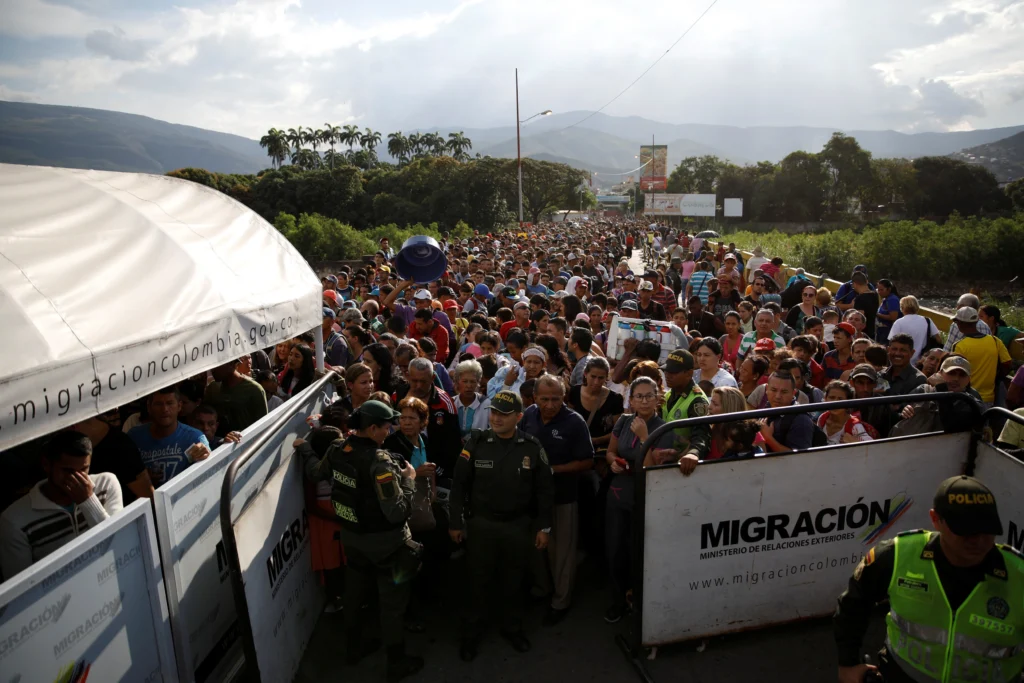
Abuses include disappearances and torture. 7 million fled since 2015. Judiciary enables impunity.
Health gaps: Infant mortality at 14 per 1,000. Malnutrition hits 17%. 7.9 million need aid in 2025.
Donate to HRW or UNHCR. Push ICC probes.
For expats: Fee-free remittance apps. Asylum processes vary by country.
If you’re considering a trip, safety comes first amid this.
6. Travel and Safety Advice Post-2026 Events
Crime is high. Homicide rate: 79 per 100,000. Kidnappings common. Now, military unrest adds risks. Avoid Caracas and borders.
No tourist visas. State Dept updates key. Try virtual tours of Angel Falls.
Prep: Register with STEP. Pack emergency kits. Use VPNs for censored news.
Looking ahead, resolution paths exist.
7. Future Outlook: Pathways to Resolution
Scenarios: Change lifts sanctions, boosts economy. Or instability grows migration.
Strategies: Back opposition like María Corina Machado. Watch 2030 elections. Aid rebuilds infrastructure.
Stay informed: Reuters alerts. Google “Venezuela crisis 2026.”
For a broader view, check Venezuela on Wikipedia.
This guide aims to help navigate the chaos. Events move fast, so verify updates. If you’re affected, reach out to aid groups. Stay safe.